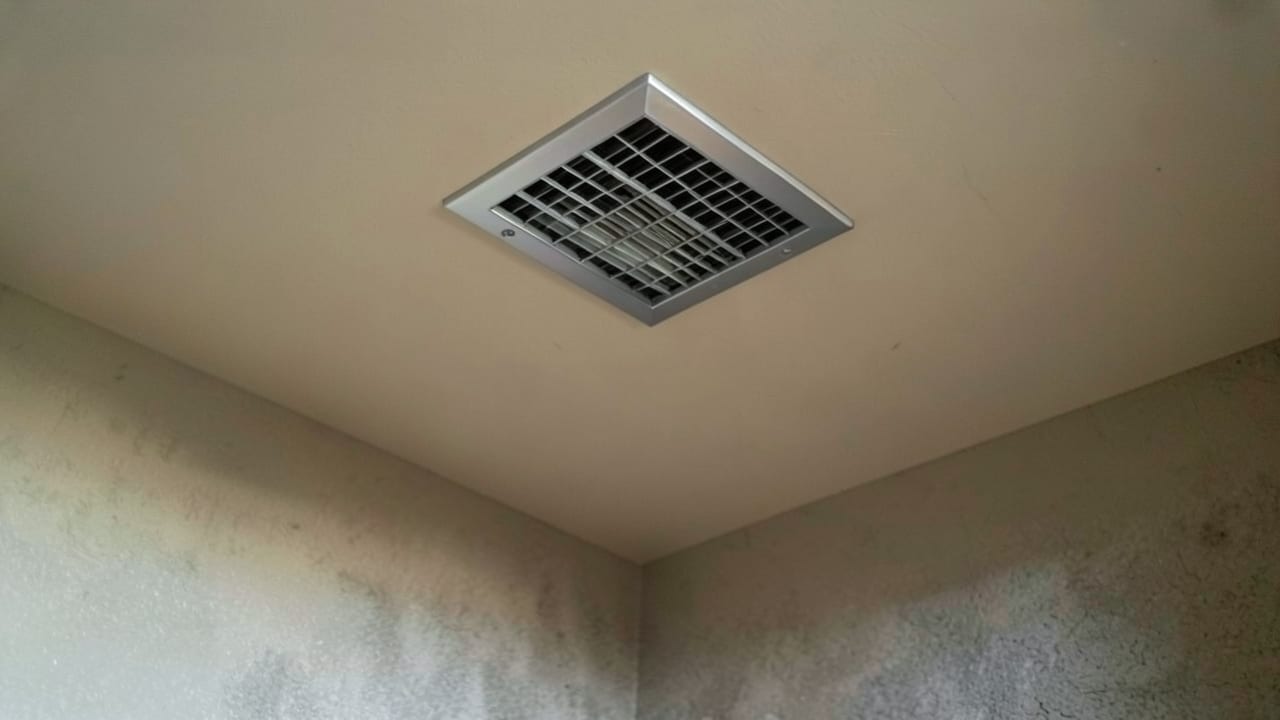
Supply Vent Cleaning
Professional cleaning of supply vents to improve airflow and indoor air quality in HVAC systems.
In Ashland, OR, supply vent cleaning targets the hidden network of ducts that distribute heated or cooled air throughout your home. Over time, dust, pet dander, and allergens accumulate inside these vents, reducing airflow efficiency and circulating contaminants back into your living spaces.
A thorough cleaning restores proper ventilation and improves indoor air quality by addressing both visible and concealed ductwork components.
We also handle Blower Motor Cleaning and Evaporator Coil Cleaning for Ashland properties.
When to consider supply vent cleaning
Your home’s supply vents may need cleaning if you notice dust puffing out when the HVAC system first turns on, or if dust resettles unusually fast on furniture near certain vents.
A musty odor that fades once the system shuts off is another red flag, as it often signals biological growth or trapped moisture inside the ducts.
Rooms that collect visible dust layers faster than others may have active dust delivery through the vents. A fine gray film or buildup reappearing on register grilles shortly after cleaning is a direct sign of accumulated debris just inside the ductwork.
If these issues persist despite regular vacuuming, a professional cleaning may be necessary.
Signs Your Supply Vents Need Cleaning
- Dust puffs out when the HVAC system first turns on or resettles quickly on nearby surfaces
- A musty or stale smell is noticeable only when the system is running
- Visible dust buildup reappears faster in certain rooms than others
- Gray film or debris accumulates on register grilles within days of cleaning
- Airflow feels weaker than usual, even after changing the air filter
What affects pricing and timing
The cost of supply vent cleaning in Ashland varies based on the number of vents cleaned, the method used, and whether the service includes inspection or additional treatments. Pricing models can differ significantly—some charge per vent, while others offer a flat-rate or per-register price.
Always confirm whether the quote covers only visible vents or the entire duct system, including main trunk lines.
How often you need this service depends on household factors like pets, allergies, or recent renovations. While industry guidelines suggest cleaning every 1–5 years, the real interval depends on how quickly dust and debris re-enter the system. Regular filter changes and sealing duct gaps can extend the time between cleanings.
What to watch for in a quote
Not all duct cleaning services are equal—some use basic shop-vac methods that remove far less debris than a full negative-pressure system with HEPA filtration. Others may exclude critical components like the HVAC unit’s coils or blower, leaving contaminants behind.
Always ask whether the quote includes a before-and-after inspection to verify debris removal.
Beware of quotes that seem unusually low, as they may indicate incomplete service. Pressures to add unnecessary treatments like UV-light sanitizing during the visit can also signal a lack of transparency. A detailed, itemized quote is the best way to ensure you’re comparing apples to apples when evaluating options.
| Red Flag | Why It Matters |
|---|---|
| Unspecified pricing model (per vent, per register, or flat rate) | Makes it impossible to compare quotes accurately |
| No before-and-after inspection offered | No way to confirm how much debris was actually removed |
| Pressure to add bundled treatments on-site | Harder to evaluate than a written, itemized quote |
| No mention of HVAC coils or blower cleaning | Leaves contaminants inside the system untouched |
How supply vent cleaning works
- 1System Inspection
A camera or mirror inspection identifies concentrated dust, debris, or biological growth in the supply and return ducts. This step ensures the crew knows exactly which sections need agitation and which are already clear.
- 2Register Sealing and Negative-Pressure Setup
All registers and vents not being worked on are sealed off, and a negative-pressure collection unit is connected to the system. This pulls dislodged dust into the collection unit instead of blowing it back into the rooms.
- 3Mechanical Agitation
A rotary brush or compressed-air whip is run through each duct run to dislodge compacted dust from the interior walls. This step is critical, as suction alone cannot remove dust that has settled over time.
- 4HEPA Vacuum Extraction
The loosened debris is pulled into a HEPA-filtered collection system, capturing fine particulate on-site rather than releasing it back into the living space through the return air.
- 5Register and Diffuser Cleaning
Each supply and return register, grille, and accessible diffuser is removed and cleaned separately, as these components accumulate different types of buildup—like pet hair and surface dust—than the deeper ductwork.
Frequently asked questions
How do I know if my supply vents need cleaning?
Look for signs like dust puffing out when the HVAC system turns on, musty odors that fade when the system is off, or visible dust buildup reappearing quickly near certain vents. These are direct indicators that debris is being circulated from inside the ducts.
Will cleaning my supply vents improve my allergies?
Yes, if allergens like dust, pet dander, or mold spores are trapped in your ducts, removing them can reduce the amount of irritants circulating through your home. However, regular filter changes and sealing duct gaps also play a key role in maintaining cleaner air.
How often should I have my supply vents cleaned?
There’s no one-size-fits-all answer—it depends on your household. Homes with pets, allergies, or recent renovations may need cleaning every 1–3 years, while others might go 5 years or longer. The key is monitoring for signs of buildup rather than sticking to a rigid schedule.
Does cleaning supply vents also clean the HVAC unit’s coils or blower?
Not always. Some services focus only on the visible vents, while others include the main trunk lines, coils, and blower. Always confirm what’s covered in your quote to avoid leaving contaminants behind in the system.
Where Ashland sits, and what the Census lists nearby
Ashland sits in Oregon, and the closest places listed in the U.S. Census Gazetteer are Talent (5.4 miles northwest), Phoenix (8.3 miles northwest), Medford (12.7 miles northwest), Jacksonville (16.2 miles northwest). Within 25 miles of Ashland the same source lists 10 distinct incorporated places and census-designated places.
Those figures matter for supply vent cleaning because they are straight-line distances between Census coordinate points: road mileage between Ashland and Talent runs longer than the 5.4 miles shown, which is why quotes for the same job differ between towns that look close together on a map.
Source: U.S. Census Bureau Gazetteer.
See Climax, OR for more, or find out about the air duct cleaning work we do around Ashland by category for our complete lineup.
Ready to get started?
Talk to a local air duct cleaning pro in Ashland — get a written quote.
Other Air Duct Cleaning Services in Ashland
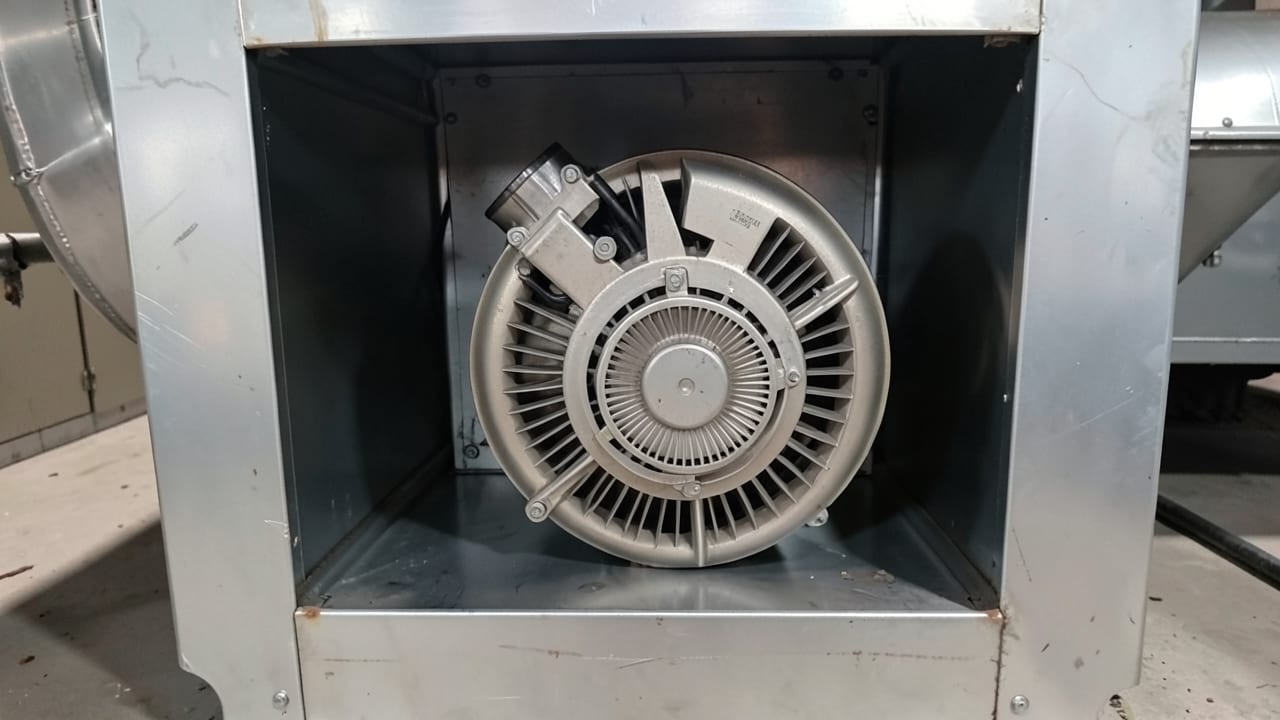
Blower Motor Cleaning in Ashland, OR
Professional cleaning of the blower motor in HVAC systems to improve airflow and efficiency.
Learn More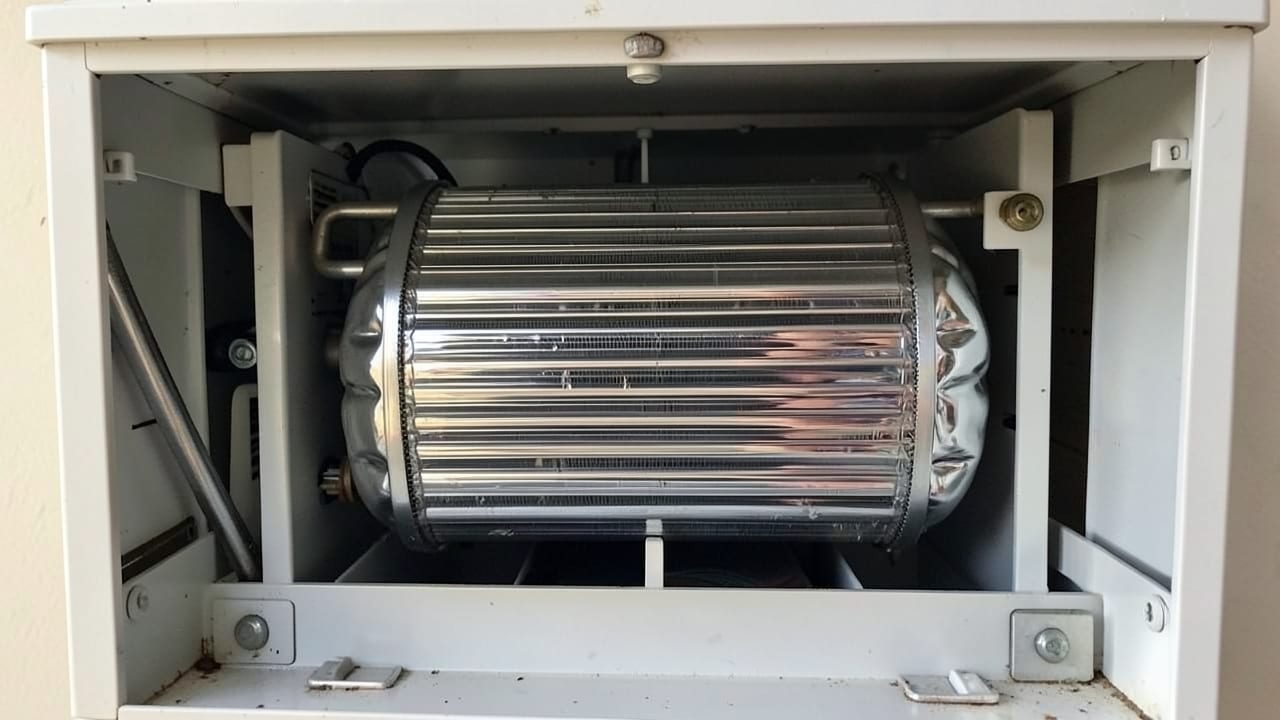
Evaporator Coil Cleaning in Ashland, OR
Professional cleaning of HVAC evaporator coils to remove dirt, dust, and debris for improved airflow and efficiency.
Learn More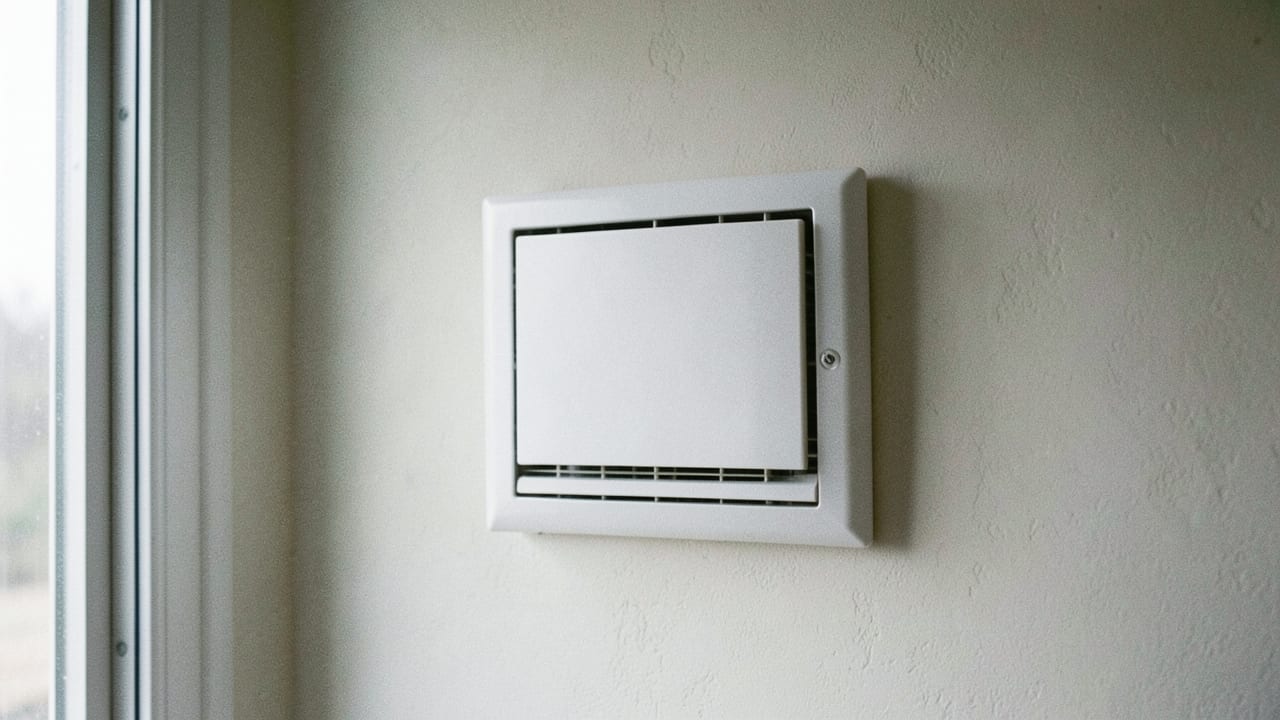
Vent Cover Cleaning in Ashland, OR
Professional cleaning of vent covers to improve airflow and indoor air quality.
Learn More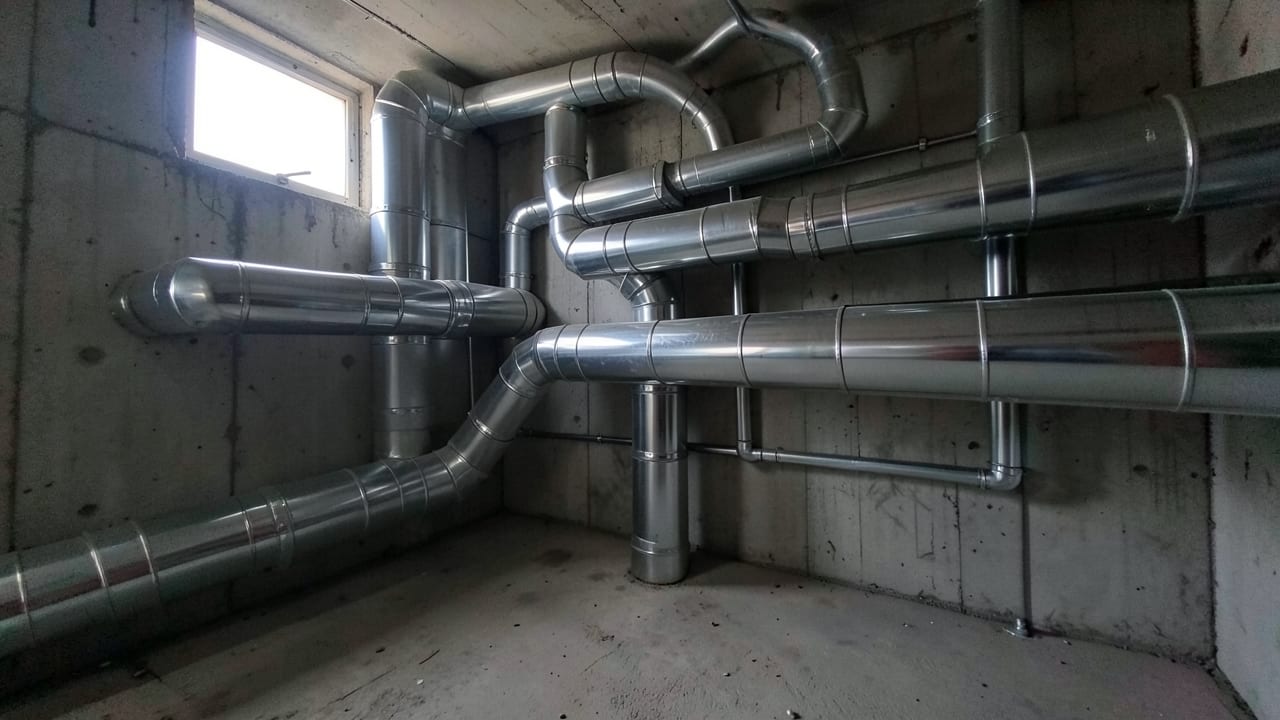
Aluminum Duct Cleaning in Ashland, OR
Professional cleaning of aluminum ductwork to remove dust, debris, and contaminants from HVAC systems.
Learn More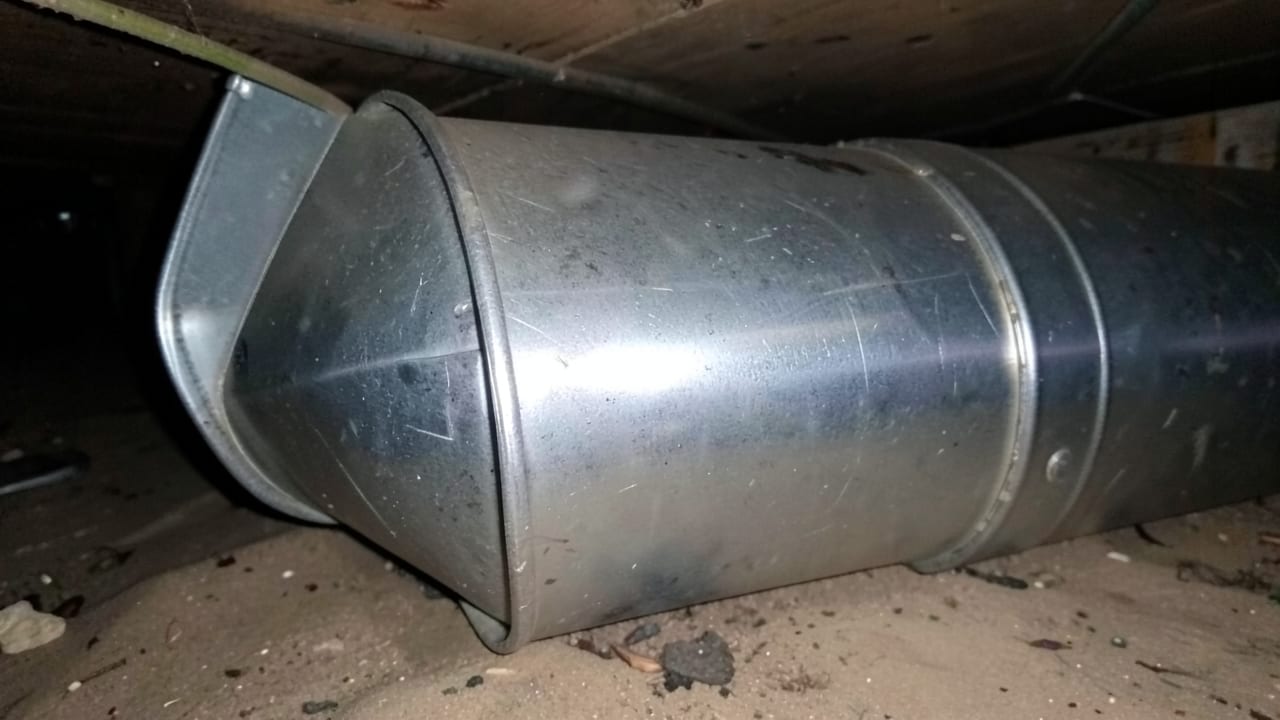
Galvanized Duct Cleaning in Ashland, OR
Professional cleaning of galvanized air ducts to remove dust, debris, and contaminants from HVAC systems.
Learn More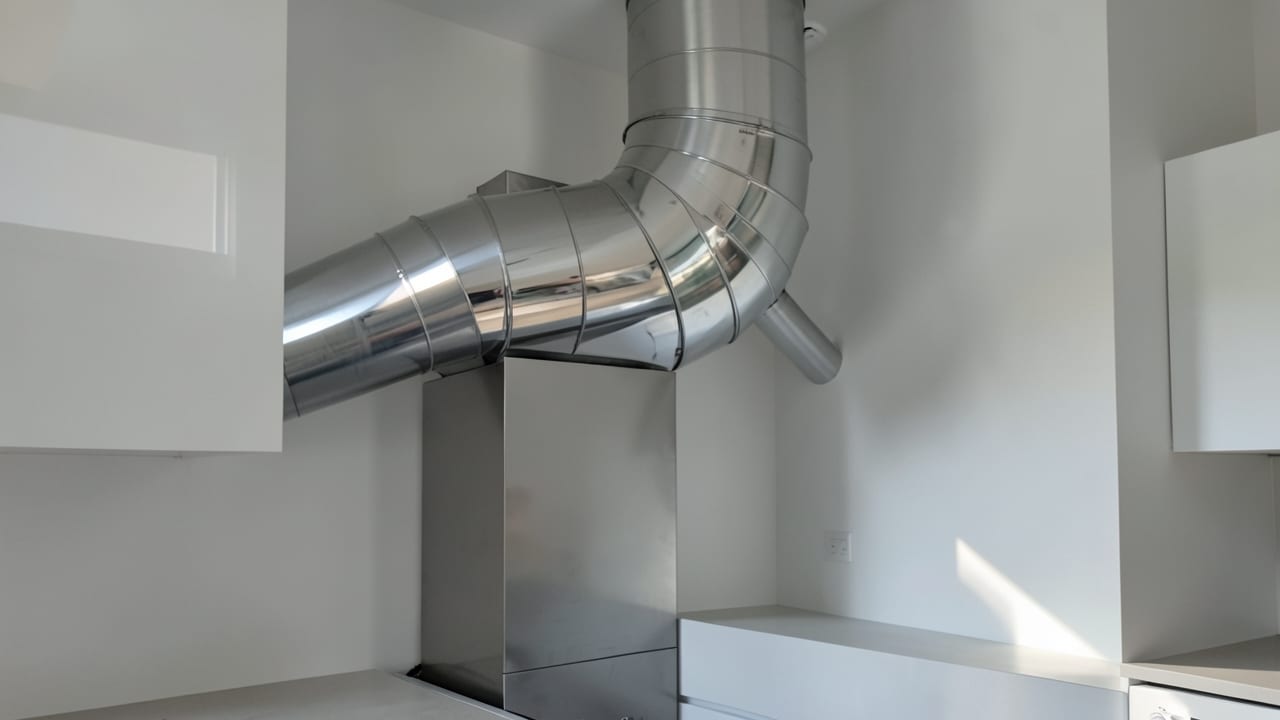
Stainless Steel Duct Cleaning in Ashland, OR
Professional cleaning of stainless steel ductwork to remove dust, debris, and contaminants from HVAC systems.
Learn MoreCommon Questions About Air Duct Cleaning in Ashland
Everything you need to know about air duct cleaning services in Ashland
How much does Supply Vent Cleaning typically cost in Ashland, OR?
What local factors get checked before recommending duct cleaning in Ashland, OR?
Is duct cleaning ever covered by a home warranty or insurance policy?
What's the actual difference between duct cleaning and dryer vent cleaning?
Does the cleaning process release dust into the rest of the home?
How long does a typical air duct cleaning appointment take?
Need Air Duct Cleaning in Ashland?
Get a written quote from our Ashland crew.
⏰ We answer your call • Serving all of Ashland and surrounding areas