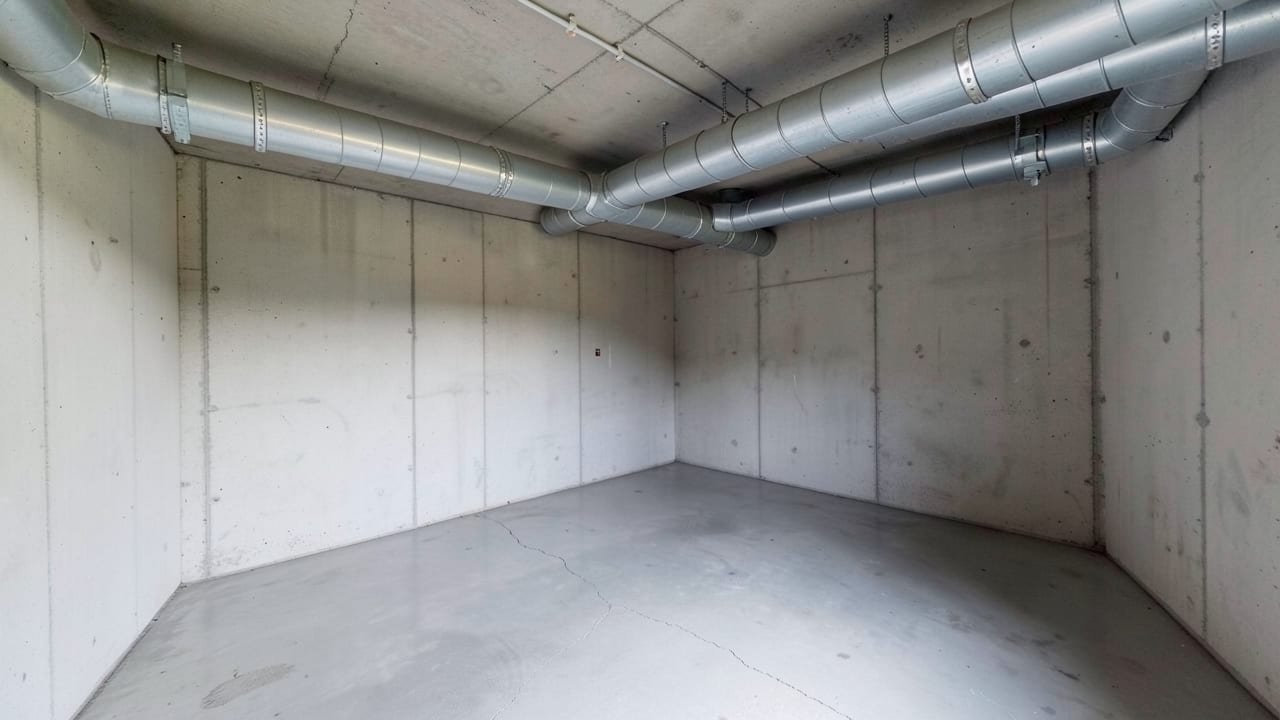
HOA Duct Cleaning
Professional cleaning of air ducts and HVAC systems to improve indoor air quality.
HOA duct cleaning in Ashland, OR, ensures your home’s air ducts are thoroughly cleaned to remove dust, allergens, and debris, improving indoor air quality and airflow.
This process involves a detailed inspection, mechanical agitation, and HEPA vacuum extraction to target hidden contaminants in supply and return ducts, registers, and diffusers—critical for maintaining a healthy living environment in the Rogue Valley.
We also handle HVAC Coil Cleaning and Mold & Mildew Duct Treatment for Ashland properties.
When to consider HOA duct cleaning
Duct cleaning is often needed when visible dust reappears quickly near supply vents or if a stale, musty smell lingers while your HVAC system runs. These signs suggest built-up debris inside the ducts is being recirculated into your home.
Ashland’s dry climate can accelerate dust buildup, especially in homes with pets, carpets, or unfinished basements.
A room that collects dust faster than others or a fine gray film on register grilles—even after wiping—are direct indicators of duct contamination.
If your air filter clogs more frequently than every 1–3 months, it’s a sign excess dust is bypassing the filter and settling deeper in the system, where it requires professional removal.
Signs You Need Duct Cleaning
- Dust puffs or settles visibly when the HVAC turns on, especially near vents
- Musty or stale odor present *only* while the system is running (not a general household smell)
- Surface dust reappears within days on furniture near supply vents
- Gray film or buildup on register grilles that returns after cleaning
- Air filter needs replacing more often than every 1–3 months (or is visibly clogged before then)
- One room collects dust significantly faster than others in the same house
How often should you clean your ducts?
There’s no one-size-fits-all answer, as duct cleanliness depends on household factors like pets, carpets, and air filtration habits. Industry guidelines range from once a year to once every five years, but Ashland homeowners with pets or allergies may need more frequent service.
The key is monitoring signs of buildup—like those listed above—rather than relying on a rigid schedule.
Preventing rapid recontamination starts with maintenance: replacing air filters on time, sealing duct gaps (especially in basements or attics), and vacuuming registers regularly. These steps reduce the volume of new debris entering the system between professional cleanings.
What’s included in a proper cleaning?
A thorough HOA duct cleaning goes beyond surface-level vacuuming at the vents. It includes inspecting ductwork with a camera to identify hidden debris, sealing off unused registers to prevent dust from blowing into living spaces, and using mechanical agitation (rotary brushes or air whips) to dislodge compacted dust.
The dislodged material is then captured via a HEPA-filtered vacuum system, not released back into the air.
Post-cleaning, airflow is verified at multiple registers to ensure the system isn’t just redistributing dust. Registers, grilles, and diffusers are also cleaned separately, as they accumulate different types of buildup than the duct runs themselves. Skipping these steps can leave dust trapped in hard-to-reach areas, undermining the entire process.
| Step | Purpose | Why It Matters |
|---|---|---|
| Camera/Mirror Inspection | Identifies concentrated dust, debris, or biological growth in supply/return runs | Targets cleaning efforts to areas with the most buildup, avoiding unnecessary agitation of clean sections |
| Register Sealing | Blocks unused vents to prevent dislodged dust from blowing into rooms | Ensures 95%+ of debris is captured by the HEPA system, not redistributed |
| Mechanical Agitation (Brush/Air Whip) | Knocks compacted dust off duct walls (suction alone can’t remove it) | Breaks up decades-old buildup that would otherwise remain in place |
| HEPA Vacuum Extraction | Pulls dislodged material into a filtered collection unit | Prevents fine particulate from re-entering the living space or HVAC system |
| Register/Diffuser Cleaning | Removes surface buildup (pet hair, dust) from grilles and vents | Prevents immediate recontamination at vent openings |
| Airflow Verification | Checks register output before/after cleaning to confirm improved circulation | Ensures dust wasn’t just moved deeper into the ducts |
How HOA duct cleaning works
A professional service follows a structured process to ensure thorough, safe removal of duct contaminants.
- 1Inspect with Camera/Mirror
A technician uses a camera or mirror to inspect supply and return ducts, identifying where dust, debris, or biological growth is concentrated. This step ensures targeted cleaning—agitation is only applied where needed.
- 2Seal Off Unused Registers
All registers and vents not currently being worked on are sealed to create a negative-pressure environment. This directs dislodged dust into the HEPA collection system instead of blowing into living spaces.
- 3Agitate Duct Walls with Brush/Air Whip
A rotary brush or compressed-air whip is run through each duct section to break up compacted dust. This step is critical because settled dust won’t come loose from suction alone.
- 4Extract Debris with HEPA Vacuum
The dislodged material is pulled into a HEPA-filtered vacuum, capturing 99.97% of fine particulate on-site. This prevents the dust from re-entering the HVAC system or your home.
- 5Clean Registers and Diffusers Separately
Each register, grille, and diffuser is removed and cleaned individually, as they accumulate different types of buildup (e.g., pet hair, surface dust) than the duct runs.
Frequently asked questions
How will I know if my ducts actually need cleaning?
Look for signs like dust puffing from vents when the HVAC turns on, a musty smell that fades when the system is off, or surface dust reappearing quickly near supply vents. If one room collects dust faster than others, it’s often a sign of active duct contamination.
Can I clean my ducts myself, or should I hire a professional?
DIY methods like shop-vacing vents remove surface dust but leave deeper buildup intact. Professional cleaning uses mechanical agitation and HEPA extraction to address compacted debris in the duct runs—a process that requires specialized equipment and safety precautions.
Will cleaning my ducts help with allergies?
Yes, if allergens like dust mites, pet dander, or mold spores are trapped in the ducts, removing them can reduce airborne irritants. However, the improvement depends on whether the ducts were a significant source of the problem in the first place.
How do I prevent my ducts from getting dirty again so quickly?
Replace air filters every 1–3 months, seal gaps in ductwork (especially in basements or attics), and vacuum registers regularly. Reducing dust at the source—like grooming pets and keeping carpets clean—also slows recontamination.
Where Ashland sits, and what the Census lists nearby
Ashland sits in Oregon, and the closest places listed in the U.S. Census Gazetteer are Talent (5.4 miles northwest), Phoenix (8.3 miles northwest), Medford (12.7 miles northwest), Jacksonville (16.2 miles northwest). Within 25 miles of Ashland the same source lists 10 distinct incorporated places and census-designated places.
Those figures matter for hoa duct cleaning because they are straight-line distances between Census coordinate points: road mileage between Ashland and Talent runs longer than the 5.4 miles shown, which is why quotes for the same job differ between towns that look close together on a map.
Source: U.S. Census Bureau Gazetteer.
See Applegate, OR for more, or check out everything Ashland homeowners can book with us on a single page for our complete lineup.
Ready to get started?
Talk to a local air duct cleaning pro in Ashland — get a written quote.
Other Air Duct Cleaning Services in Ashland
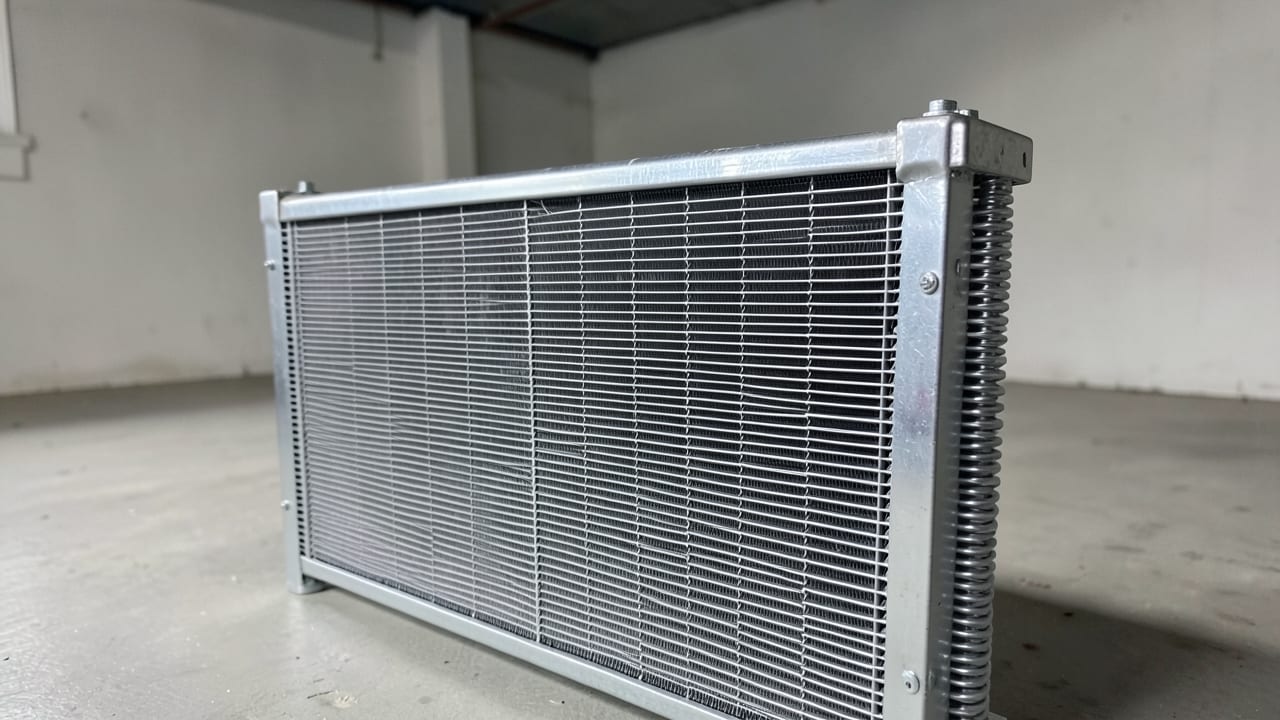
HVAC Coil Cleaning in Ashland, OR
Evaporator and condenser coil cleaning in Ashland, OR restores HVAC efficiency lost to dirty coils.
Learn More
Mold & Mildew Duct Treatment in Ashland, OR
Mold and mildew treatment for HVAC ductwork in Ashland, OR — antimicrobial application after a full duct cleaning.
Learn More
Indoor Air Quality Testing in Ashland, OR
Indoor air quality testing in Ashland, OR measures particulate levels, humidity, and allergens to identify what a home's HVAC system is actually circulating.
Learn More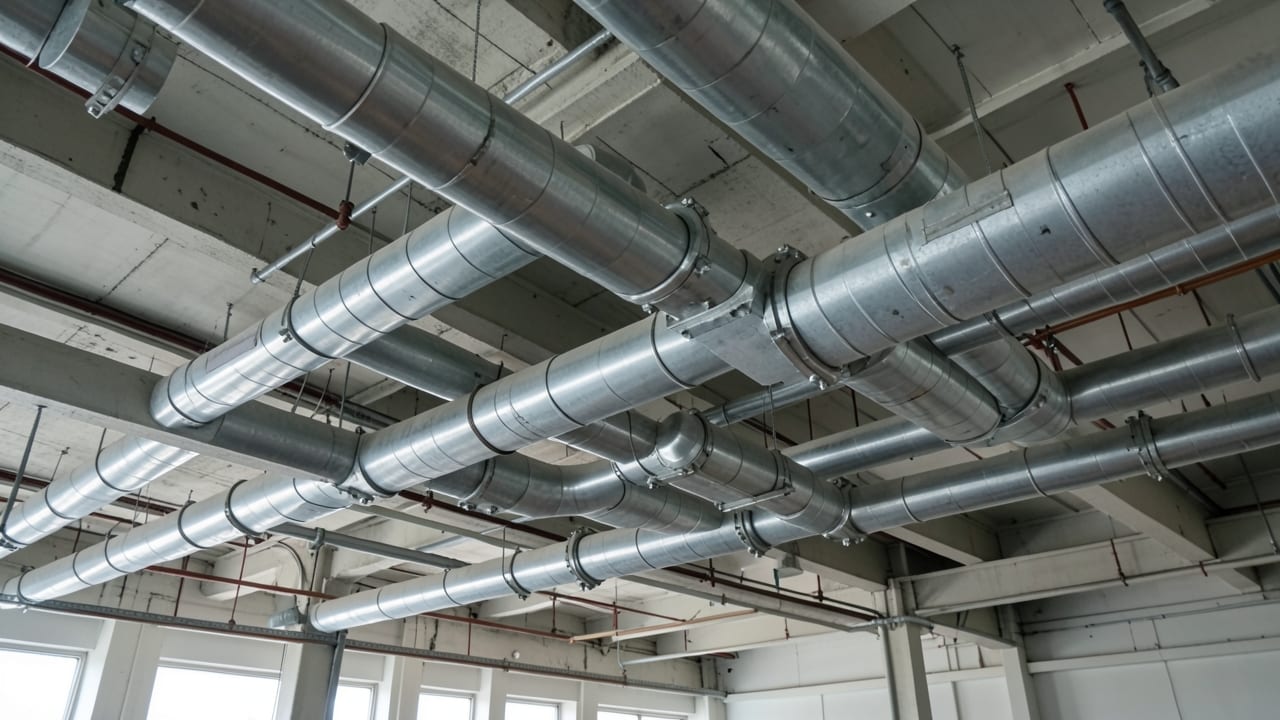
Commercial Duct Cleaning in Ashland, OR
Commercial HVAC duct and rooftop unit cleaning in Ashland, OR for offices, restaurants, and retail properties.
Learn More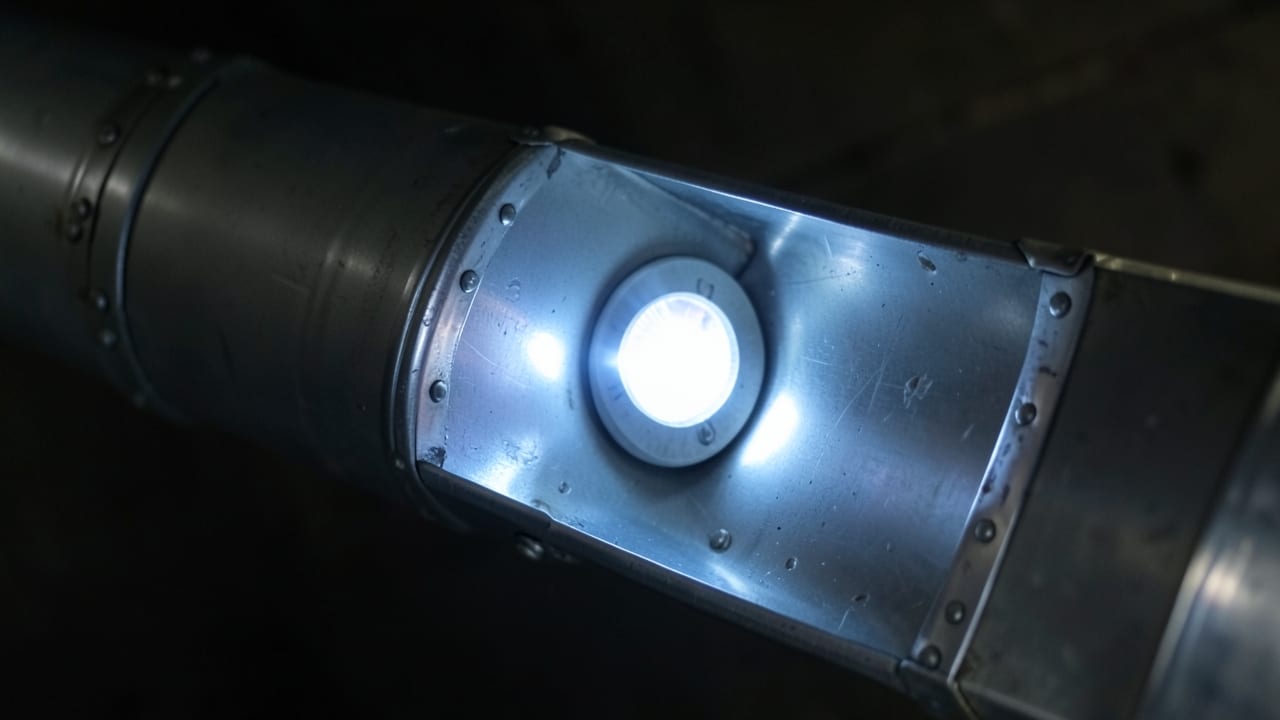
UV Light & Sanitization Treatment in Ashland, OR
UV-C light installation and duct sanitization treatment in Ashland, OR — an ongoing defense against microbial growth on the evaporator coil.
Learn More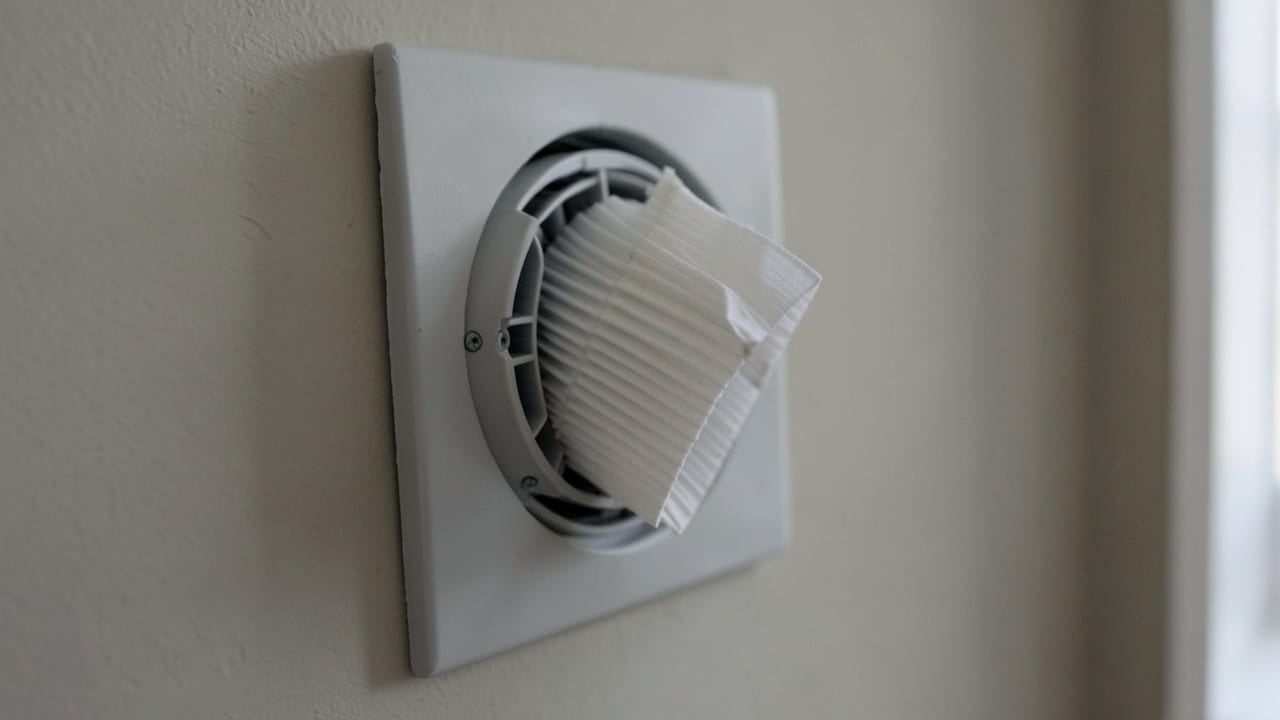
Air Filter Replacement in Ashland, OR
Air filter replacement and MERV-rating guidance in Ashland, OR, matched to household needs and system airflow limits.
Learn MoreCommon Questions About Air Duct Cleaning in Ashland
Everything you need to know about air duct cleaning services in Ashland
How much does HOA Duct Cleaning typically cost in Ashland, OR?
What local factors get checked before recommending duct cleaning in Ashland, OR?
Can duct cleaning damage older or fragile ductwork?
Does duct cleaning include the coils and blower compartment, or only the ducts themselves?
What's the real difference between flat-rate and per-vent air duct pricing?
How often should air ducts actually be cleaned?
Need Air Duct Cleaning in Ashland?
Get a written quote from our Ashland crew.
⏰ We answer your call • Serving all of Ashland and surrounding areas