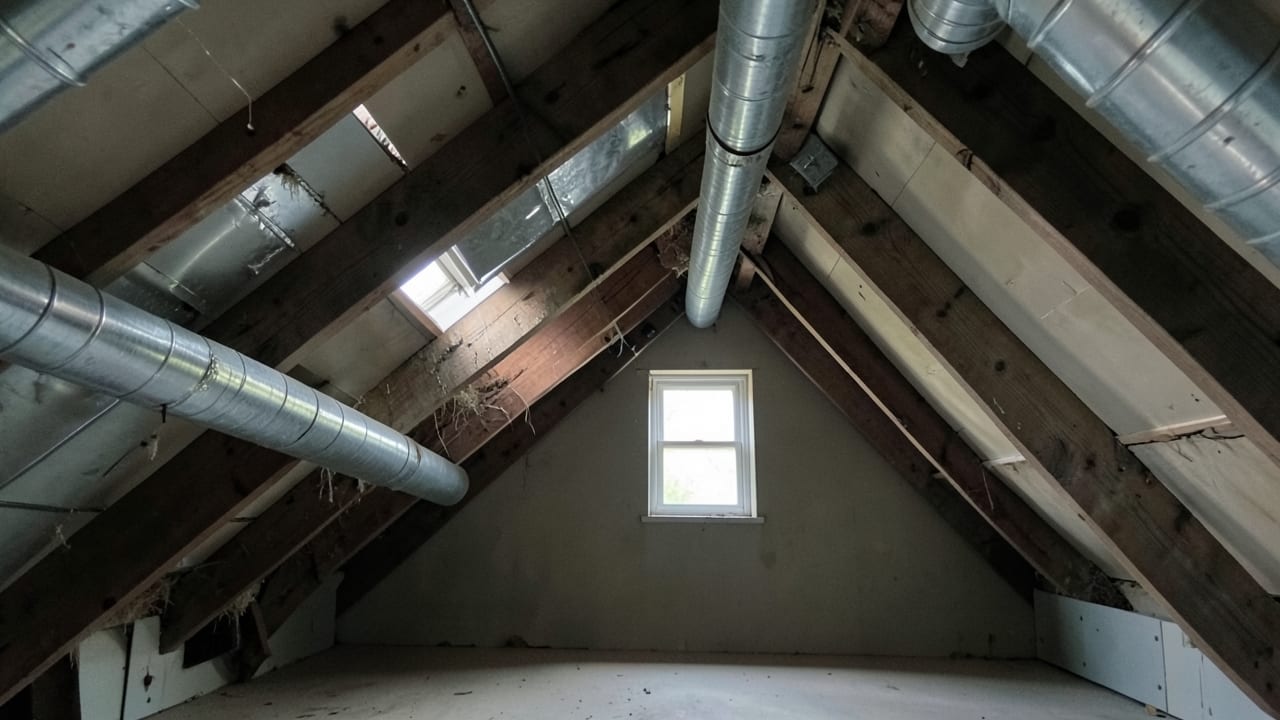
Salt Air Corrosion Duct Treatment
Application of protective treatment to air ducts to prevent salt air corrosion in coastal areas.
In Ashland, OR, homes near the coast face unique challenges from salt air corrosion, which accelerates rust and deterioration in HVAC ductwork.
Salt Air Corrosion Duct Treatment applies a protective coating to shield ducts from moisture and salt damage, preserving system efficiency and extending the life of your heating and cooling system.
We also handle Indoor Air Quality Testing and Commercial Duct Cleaning for Ashland properties.
This specialized service is essential for maintaining air quality and preventing costly repairs in marine-influenced areas like Ashland and the Rogue Valley.
Why your ducts need this treatment in Ashland
Ashland’s proximity to the Pacific Ocean means salt-laden air seeps into homes, corroding metal ducts over time. Without protection, rust flakes and debris circulate through your HVAC system, reducing airflow and degrading indoor air quality. The treatment creates a barrier against corrosion, preventing long-term damage and improving system performance.
Salt air corrosion isn’t just about rust—it also promotes mold and microbial growth in damp ductwork. Over time, this buildup forces your HVAC system to work harder, increasing energy costs and shortening equipment lifespan. Addressing corrosion early with a protective coating can save hundreds in future repairs.
Signs You Need Salt Air Corrosion Duct Treatment
- A visible layer of dust reappears on furniture within days of cleaning, especially near supply vents.
- A musty or stale smell is noticeable *only* when the HVAC system is running, not when it’s off.
- Supply registers develop a fine gray film or buildup that returns quickly after wiping.
- Your HVAC system cycles on and off more frequently than before, signaling reduced airflow.
- You hear rattling or unusual noises in the ductwork, which may indicate rust or loose debris.
How often should you treat your ducts?
There’s no one-size-fits-all answer for how often ducts need treatment—it depends on exposure to salt air, household dust sources (like pets or construction), and maintenance habits.
Homes in Ashland with unsealed duct connections or infrequent filter changes may need treatment every 2–3 years, while others might stretch it to 5 years.
The biggest factor in how quickly ducts recontaminate isn’t the cleaning itself but what’s feeding new dust into the system. Changing HVAC filters every 1–3 months (depending on type and household activity) and sealing duct gaps in unfinished spaces (like basements or attics) can drastically slow buildup between treatments.
What’s included in the treatment?
This service goes beyond basic duct cleaning by combining corrosion protection with a thorough cleaning process. After inspection, ducts are sealed, agitated to dislodge debris, and vacuumed with HEPA filtration. The protective coating is then applied to shield metal surfaces from salt air damage, ensuring long-term protection.
Unlike standard duct cleaning, this treatment addresses the root cause of corrosion while removing existing contaminants. It’s ideal for homes where salt air exposure accelerates duct degradation, helping maintain airflow and air quality for years.
| Step | What It Accomplishes |
|---|---|
| System Inspection | Identifies corrosion hotspots, dust concentration, and biological growth before cleaning begins. |
| Register Sealing | Prevents dislodged dust from escaping into living spaces during agitation. |
| Mechanical Agitation | Knocks compacted dust and rust off duct walls using rotary brushes or air whips. |
| HEPA Vacuum Extraction | Captures 99.97% of fine particulate on-site, preventing re-circulation. |
| Protective Coating Application | Creates a barrier against salt air corrosion on metal duct surfaces. |
| Airflow Verification | Confirms improved circulation by comparing pre- and post-cleaning register airflow. |
How salt air corrosion duct treatment works
- 1Inspection & Assessment
A camera or mirror inspection checks for corrosion, dust buildup, and biological growth in supply and return ducts. This step pinpoints areas needing agitation and identifies structural issues like disconnected flex duct sections.
- 2Sealing & Containment
Non-working registers and vents are sealed, and a negative-pressure HEPA vacuum is connected to the system. This ensures dislodged debris is captured, not blown into living spaces during cleaning.
- 3Agitation & Extraction
Rotary brushes or compressed-air whips loosen compacted dust and rust from duct walls. The debris is immediately pulled into the HEPA vacuum, which filters out 99.97% of fine particulate.
- 4Coating Application
A specialized corrosion-resistant coating is applied to metal duct surfaces to shield them from salt air damage. This step extends the life of your HVAC system and maintains airflow efficiency.
- 5Airflow & Quality Check
After reassembly, airflow is measured at key registers to confirm improvements. The system is also checked for proper sealing and coating adhesion before completion.
Frequently asked questions
How do I know if my ducts are being damaged by salt air?
Look for rust flakes near supply vents, a metallic taste or smell in the air when the HVAC runs, or visible corrosion inside registers. If your system is near the coast or you’ve noticed increased dust near vents, salt air is likely contributing to the problem.
Will treating my ducts improve my home’s air quality?
Yes, especially if corrosion or mold is present. The protective coating reduces rust particles circulating in the air, while the cleaning removes dust and biological contaminants. However, sealing duct gaps and changing filters regularly will maximize long-term air quality improvements.
How long does the protective coating last?
The coating is designed to last for years, but its effectiveness depends on ongoing exposure to salt air and maintenance. Homes in Ashland with high humidity or frequent coastal winds may need reapplication every 3–5 years, while others might extend this interval.
Can I do anything between treatments to slow down corrosion?
Yes—seal duct connections in unfinished spaces, replace HVAC filters every 1–3 months, and use a dehumidifier in damp areas. These steps reduce moisture and dust ingress, which are the primary drivers of corrosion in salt-air environments.
Where Ashland sits, and what the Census lists nearby
Ashland sits in Oregon, and the closest places listed in the U.S. Census Gazetteer are Talent (5.4 miles northwest), Phoenix (8.3 miles northwest), Medford (12.7 miles northwest), Jacksonville (16.2 miles northwest). Within 25 miles of Ashland the same source lists 10 distinct incorporated places and census-designated places.
Those figures matter for salt air corrosion duct treatment because they are straight-line distances between Census coordinate points: road mileage between Ashland and Talent runs longer than the 5.4 miles shown, which is why quotes for the same job differ between towns that look close together on a map.
Source: U.S. Census Bureau Gazetteer.
See Central Point, OR for more, or take a look at everything on offer in Ashland for our complete lineup.
Ready to get started?
Talk to a local air duct cleaning pro in Ashland — get a written quote.
Other Air Duct Cleaning Services in Ashland
Indoor Air Quality Testing in Ashland, OR
Indoor air quality testing in Ashland, OR measures particulate levels, humidity, and allergens to identify what a home's HVAC system is actually circulating.
Learn More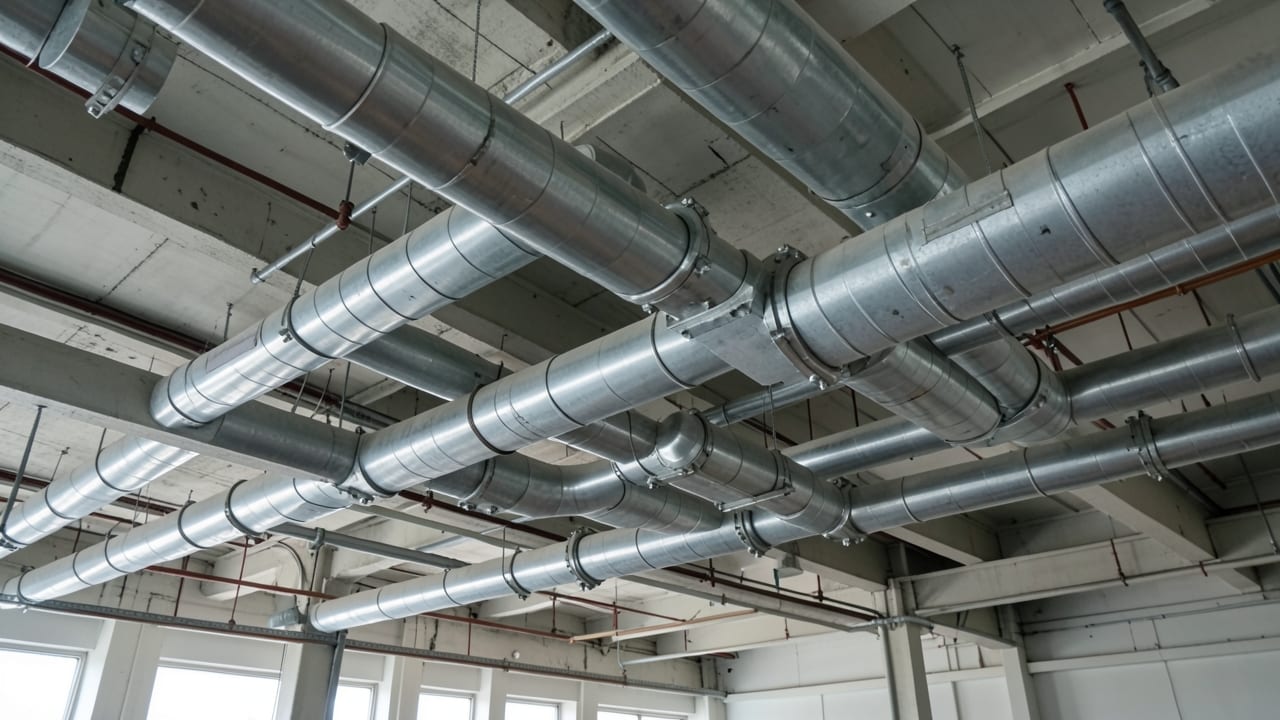
Commercial Duct Cleaning in Ashland, OR
Commercial HVAC duct and rooftop unit cleaning in Ashland, OR for offices, restaurants, and retail properties.
Learn More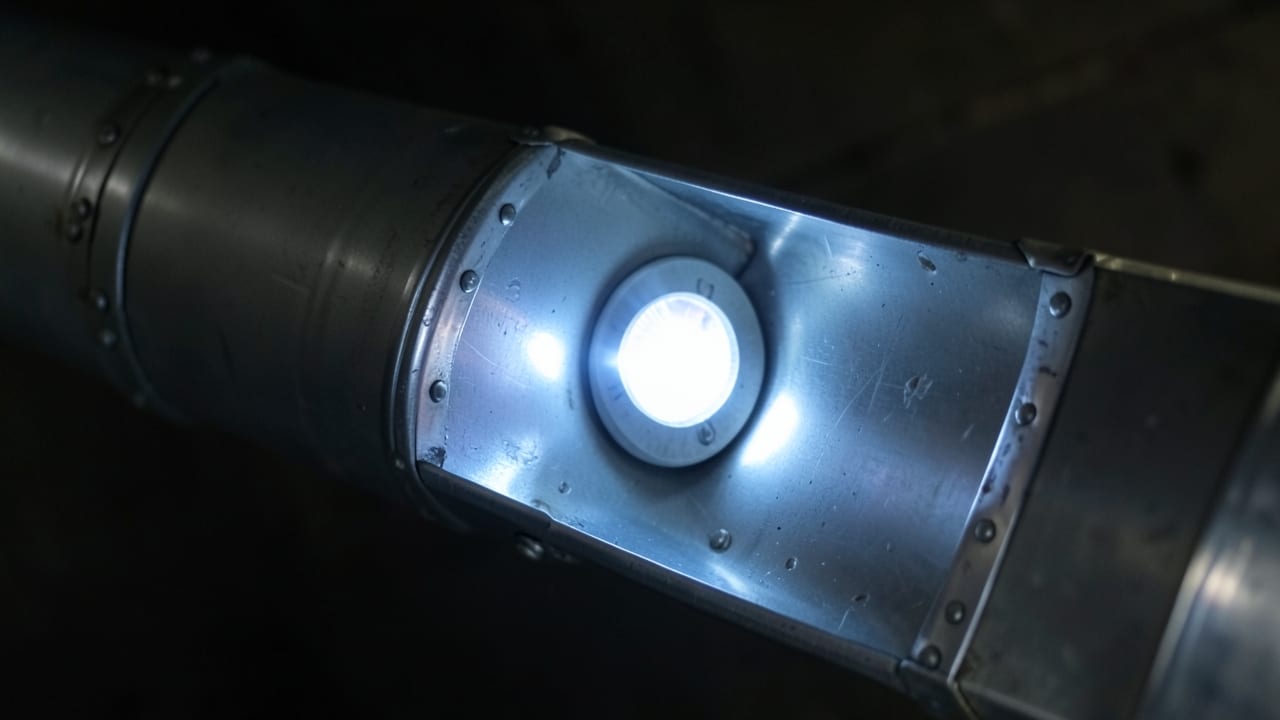
UV Light & Sanitization Treatment in Ashland, OR
UV-C light installation and duct sanitization treatment in Ashland, OR — an ongoing defense against microbial growth on the evaporator coil.
Learn More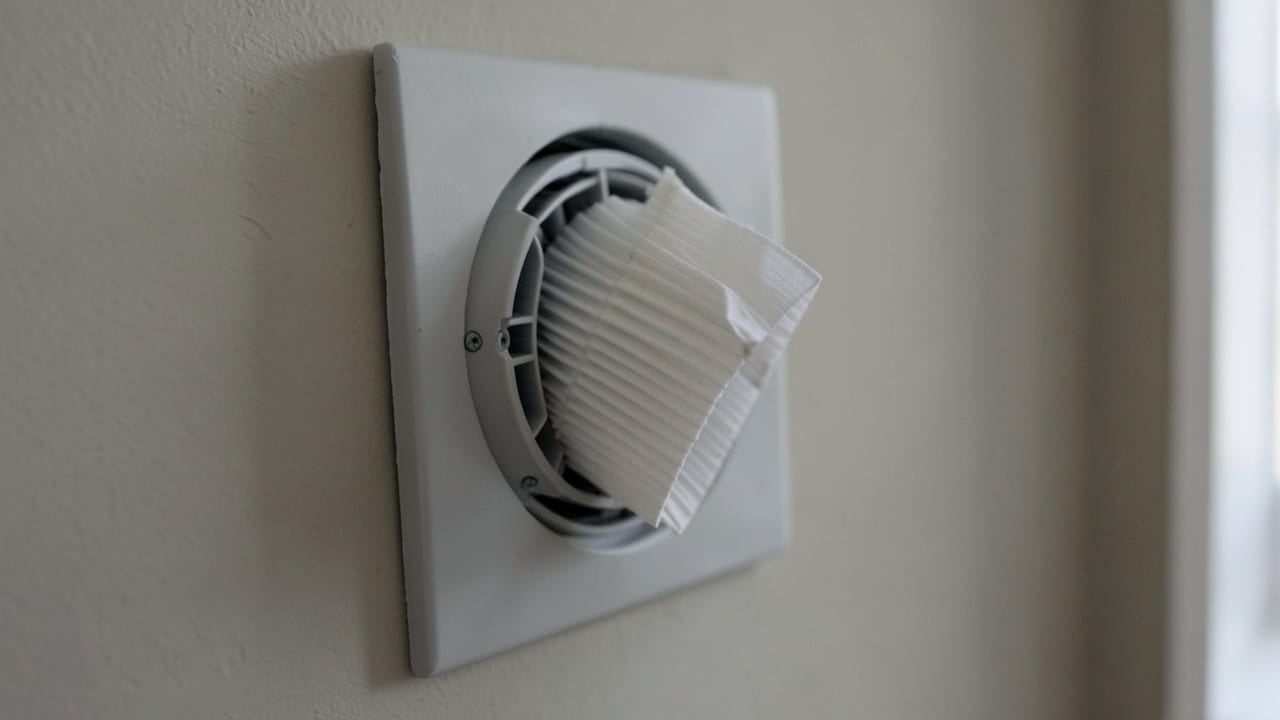
Air Filter Replacement in Ashland, OR
Air filter replacement and MERV-rating guidance in Ashland, OR, matched to household needs and system airflow limits.
Learn More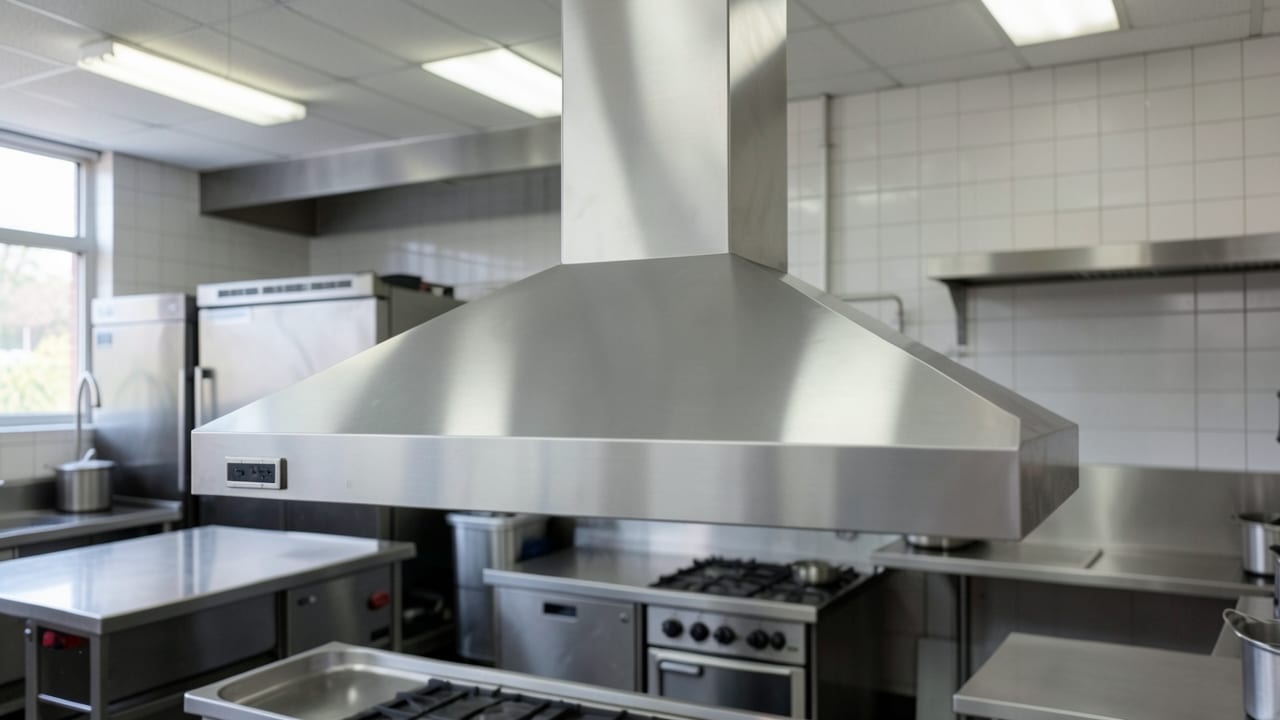
Kitchen Exhaust Hood Cleaning in Ashland, OR
Commercial and residential kitchen exhaust hood cleaning in Ashland, OR — removes grease buildup from hoods, filters, and ductwork.
Learn More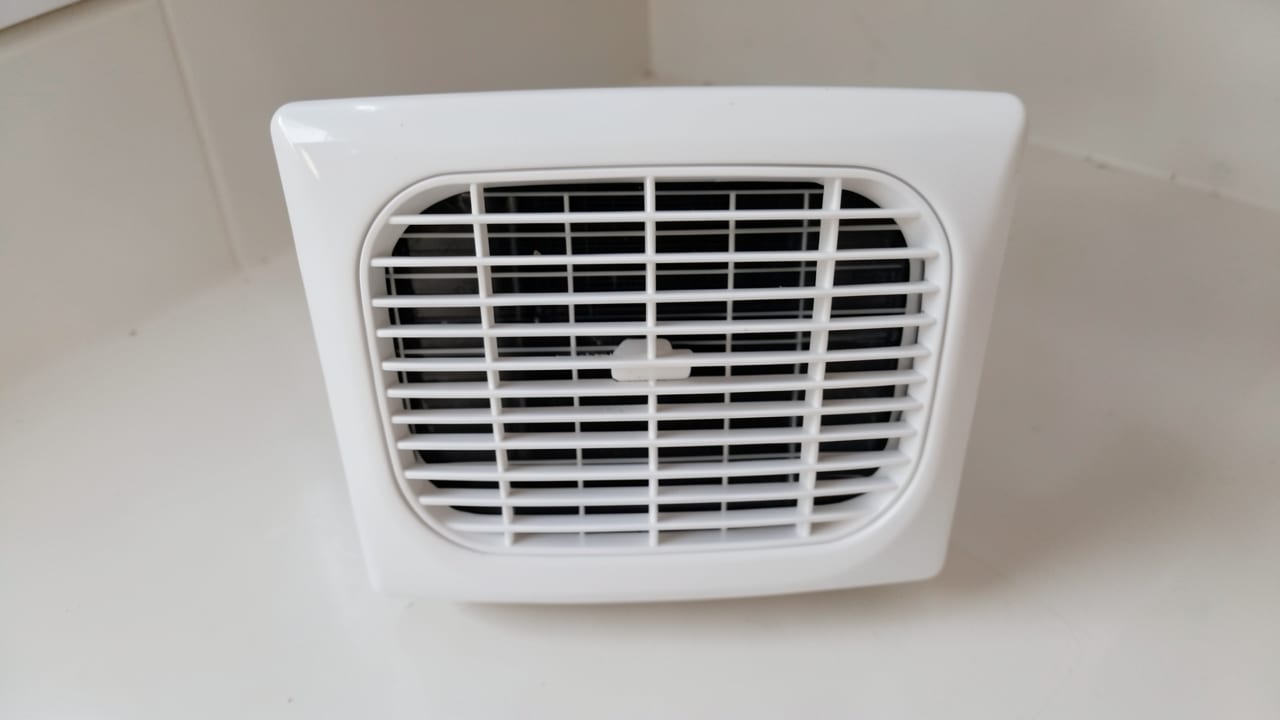
Bathroom Exhaust Fan Cleaning in Ashland, OR
Bathroom exhaust fan cleaning in Ashland, OR clears dust and lint from the fan housing and vent run, restoring proper airflow.
Learn MoreCommon Questions About Air Duct Cleaning in Ashland
Everything you need to know about air duct cleaning services in Ashland
How much does Salt Air Corrosion Duct Treatment typically cost in Ashland, OR?
What local factors get checked before recommending duct cleaning in Ashland, OR?
What does an air duct cleaning appointment actually involve, step by step?
Does dirty ductwork actually cause allergy or respiratory symptoms?
Can air ducts be cleaned with a household vacuum instead of hiring it out?
Is duct cleaning ever covered by a home warranty or insurance policy?
Need Air Duct Cleaning in Ashland?
Get a written quote from our Ashland crew.
⏰ We answer your call • Serving all of Ashland and surrounding areas